
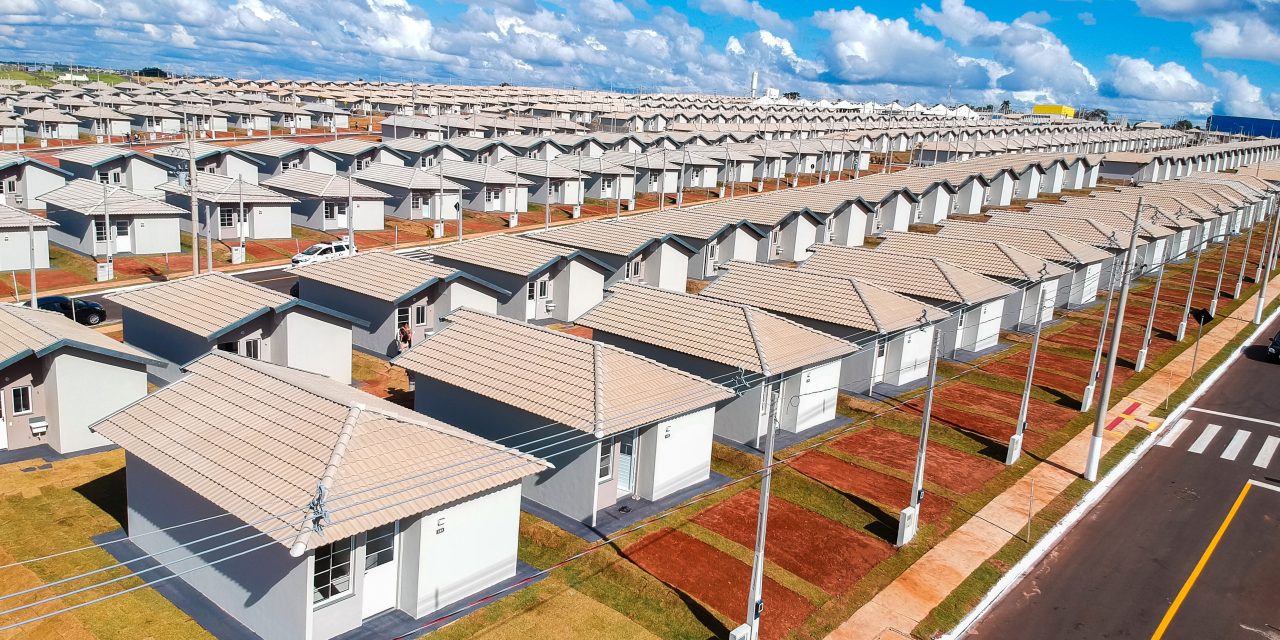
As AI systems converge on shared datasets and optimisation criteria, the built environment itself may start to look increasingly uniform – even more so than critics of today’s new office blocks and housing estates regularly complain about, but in subtly different ways.
Rather than regulatory mandates, such homogenisation would result from economic and risk-based incentives, which are harder to argue against.
Buildings may not appear identical but might seem recognisably related as proportions repeat, layouts converge, and building materials become ubiquitous across cities and regions. Over time, experimentation could become exceptional and local character may fade as built environments become more efficient, coherent and interchangeable.
The role of architects: curator, not creator
The economic and risk-based incentives of using
are exacerbated by the priorities of insurers and funders who prefer predictability, while regulators place greater trust in solutions that have already been proven at scale.
While design may remain a human profession in many respects, the role of architects may evolve to one that curates, refines and validates the outputs of autonomous systems, rather than one that originates ideas and forms.
As systems become increasingly accurate, resisting their recommendations begins to feel irresponsible.
Cities may become safer, greener and more efficient, but they may also become less expressive.
More positively, AI-driven automation and robotics are likely to transform construction sites into quieter, more controlled environments.
Human involvement is likely to increasingly centre on supervision, compliance and exception handling, which should improve site safety.
When it comes to deciding what is built, humans will still make these calls, but AI will likely define what is acceptable and defensible.
In such a world, attempts at creativity must constantly justify themselves against an ever-present model of optimisation.
In that world, the central question moves from what and how we decide to build to what we are prepared to lose from our built environment in the process.
source: https://www.lbc.co.uk/article/ai-designs-cities-look-the-same-opinion-5HjdXy7_2/
Image: Shutterstock